


I work in the tech industry, and it's no surprise when I tell you that I work with AI. One of the biggest deal breakers with Generative AI is “Hallucination.”
An AI model works by predicting the statistically next best word to write and respond to you. When it lacks grounding information, that prediction can drift away from the truth (grounding information). This is hallucination in a nutshell.
Hallucination has become a common term in the world of AI, but the concept has always existed in human behaviour too.
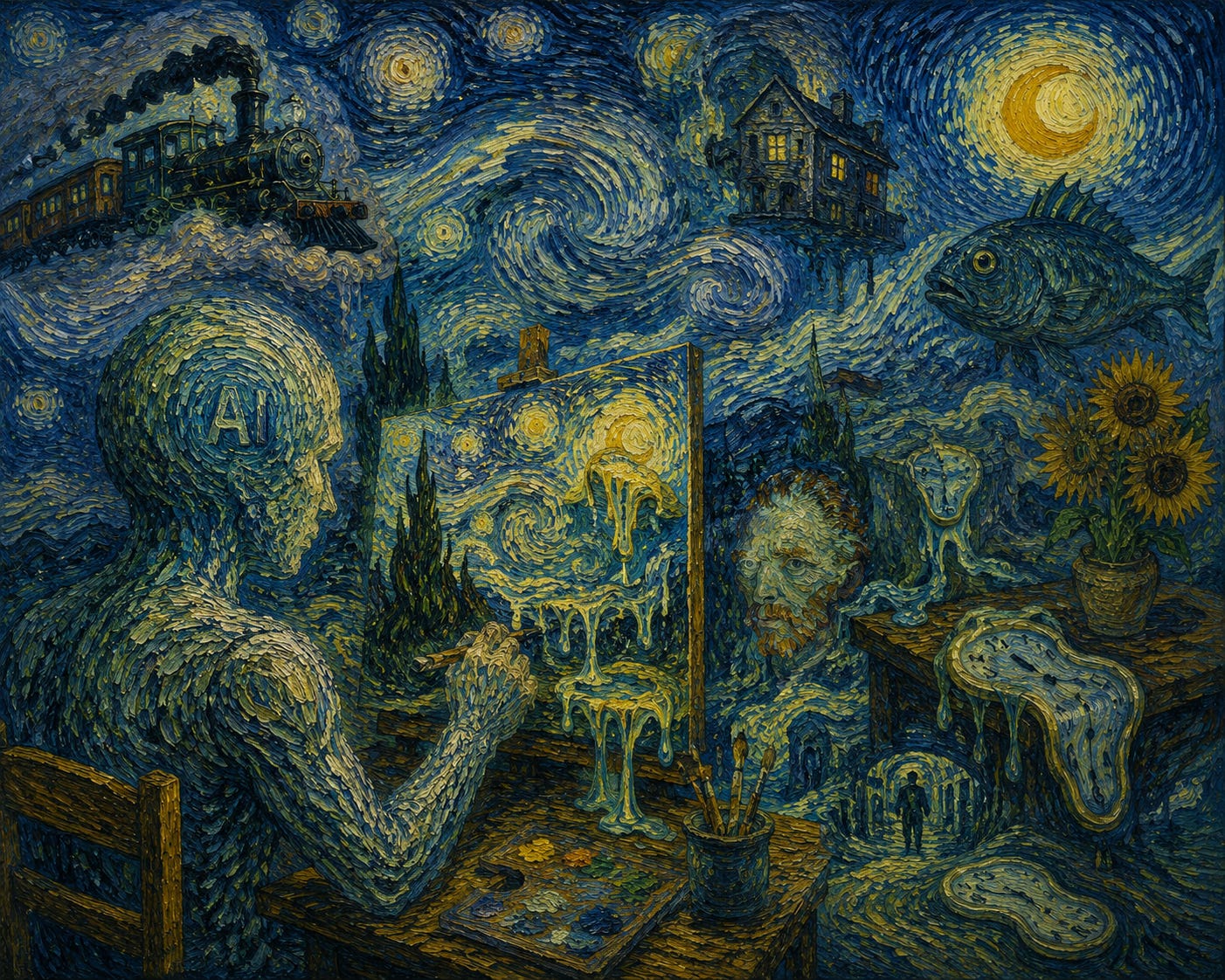
Think of the time you only half-knew something but were asked about it anyway. You fumbled, then filled the gaps with invented details to complete the half-remembered story. That was your ego working hard to hold on to the “expert-on-this-topic badge.” This is the human version of hallucination.
You panicked at the follow-up question, edited the answer five times after hitting send, and lost sleep over having to justify yourself if your answer turned out to be factually incorrect. You knew perfectly well that your hallucination won’t be forgiven as easily as an AI model’s.
This is your opportunity to switch from reactive mode to responsive mode.
In such situations, you have two good options - respond later, after verifying the facts, or, if the question needs urgent acknowledgement, simply say: "Thank you for your patience while I gather the information needed to give you a complete answer." Honestly, the clarity and peace of mind this approach brought me is worth far more than any “expert badge”.
We all have enough burdens on our shoulders. Let's try not to add any more. After all, truth is the lightest thing to carry! It took watching an AI struggle with honesty to remind me of that.
If this helped, you know where to find me @ iknowthisfeeling.com . This world doesn't get easier - but we get wiser. Until next time. ☺️